
NEISA 2025 marked a shift from advocacy to delivery in Africa’s nuclear energy conversation. The Summit positioned nuclear not as a theoretical option, but as a serious component of Africa’s long-term energy, industrial, and climate strategy.
Key signal: Africa is no longer asking whether nuclear is viable — but how to structure, finance, regulate, and deliver projects.
"NEISA 2025 helped shift the conversation from whether nuclear belongs in Africa to how projects can realistically be structured, financed, and delivered."
"What came through very clearly is that policy ambition alone does not deliver nuclear projects. Without implementation roadmaps, institutional coordination, and early regulatory engagement, investment simply does not move."
"Strong, independent regulators are not a hurdle to nuclear development — they are a prerequisite for investment. NEISA reinforced that regulation must be built early, not retrofitted once projects are announced."
"The Summit was frank about the fact that safety alone does not unlock nuclear projects. Financing structures, risk allocation, and sovereign credibility are just as decisive as technology."
"Conventional project finance models are often misaligned with nuclear timelines. What investors need are blended finance approaches, public–private risk sharing, and clear government-backed delivery frameworks."
"There was strong agreement that Small Modular Reactors hold real promise for Africa, but only if technology choices are matched to grid readiness, regulatory maturity, and bankable demand — not just technical specifications."
"Human capital and public trust must be built well before final investment decisions. Workforce development, transparent governance, and visible national benefits are delivery issues, not communications add-ons."
"NEISA 2025 helped shift the conversation from whether nuclear belongs in Africa to how projects can realistically be structured, financed, and delivered."
"What came through very clearly is that policy ambition alone does not deliver nuclear projects. Without implementation roadmaps, institutional coordination, and early regulatory engagement, investment simply does not move."
"Strong, independent regulators are not a hurdle to nuclear development — they are a prerequisite for investment. NEISA reinforced that regulation must be built early, not retrofitted once projects are announced."
"The Summit was frank about the fact that safety alone does not unlock nuclear projects. Financing structures, risk allocation, and sovereign credibility are just as decisive as technology."
"Conventional project finance models are often misaligned with nuclear timelines. What investors need are blended finance approaches, public–private risk sharing, and clear government-backed delivery frameworks."
"There was strong agreement that Small Modular Reactors hold real promise for Africa, but only if technology choices are matched to grid readiness, regulatory maturity, and bankable demand — not just technical specifications."
"Human capital and public trust must be built well before final investment decisions. Workforce development, transparent governance, and visible national benefits are delivery issues, not communications add-ons."
NEISA 2025 surfaced broad alignment around:
A recurring theme was that policy ambition without implementation pathways does not unlock projects.
One of the clearest outcomes was a shared recognition that:
A recurring theme was that This laid the groundwork for why capital, risk, and financing architecture must be front-and-centre in NEISA 2026.
Discussions around Small Modular Reactors (SMRs) highlighted:
There was strong agreement that vendors alone cannot drive deployment without aligned national frameworks.
Participants stressed that:
There was strong agreement that This informed the later decision to formalise youth and workforce-focused programming.
NEISA 2025 reinforced that:
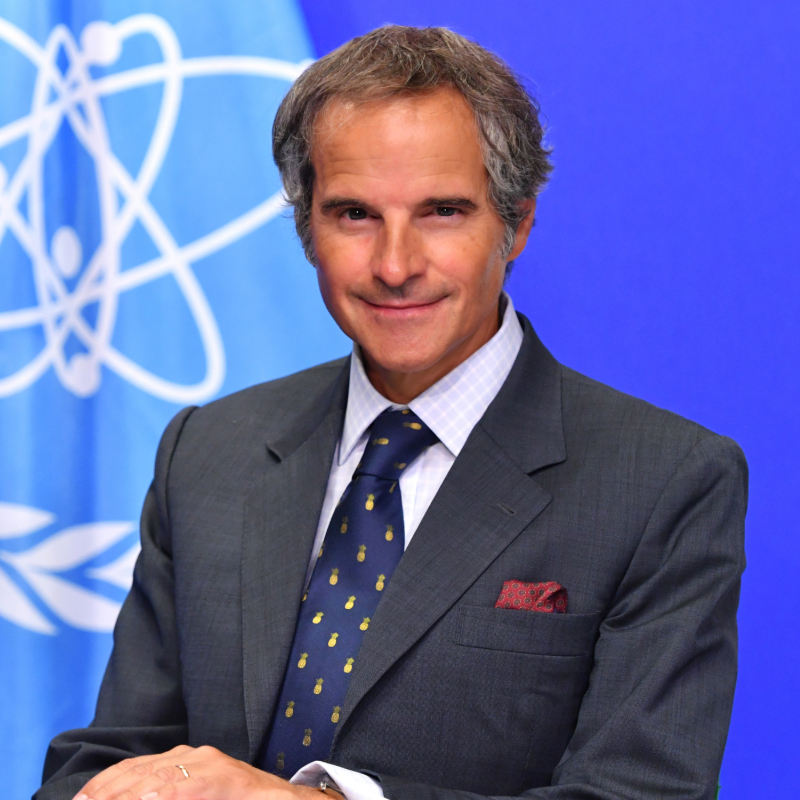
Director-General, International Atomic Energy Agency (IAEA)
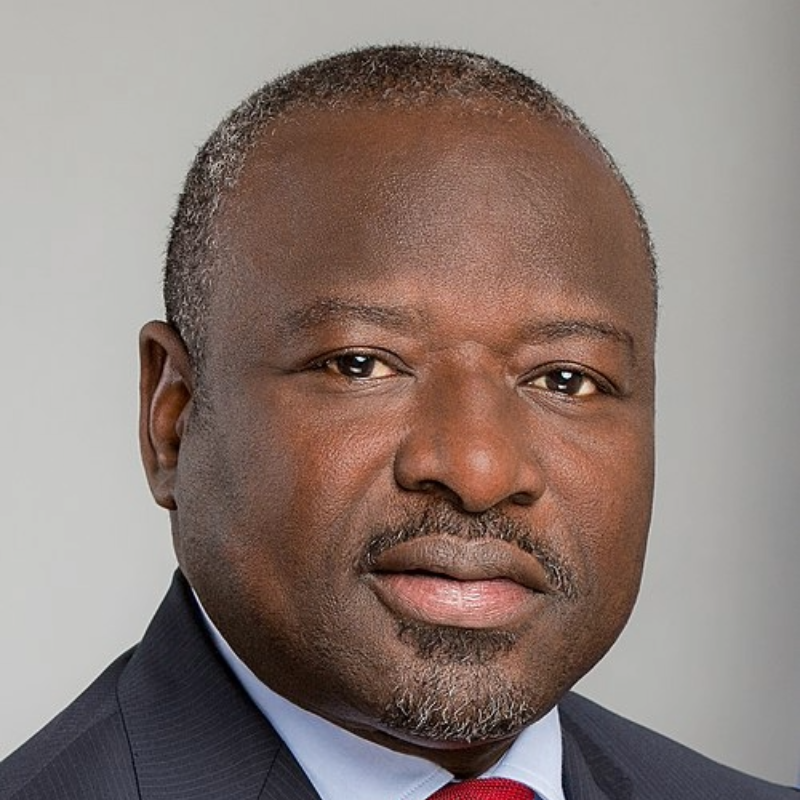
Chairman, Rwanda Atomic Energy Board
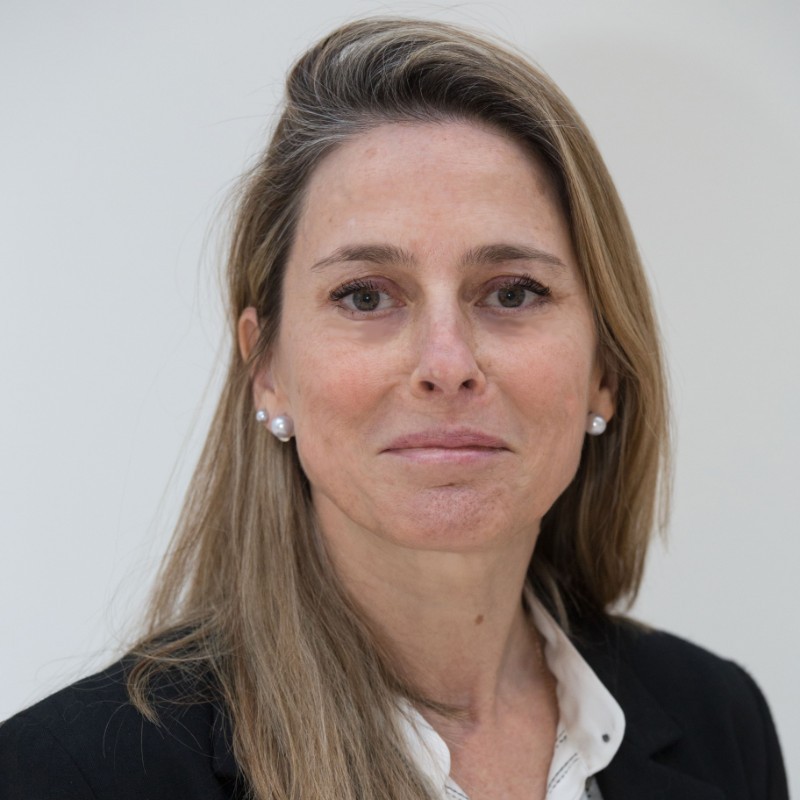
Director General, World Nuclear Association
Economic Affairs Officer, United Nations Economic Commission for Africa (UNECA)
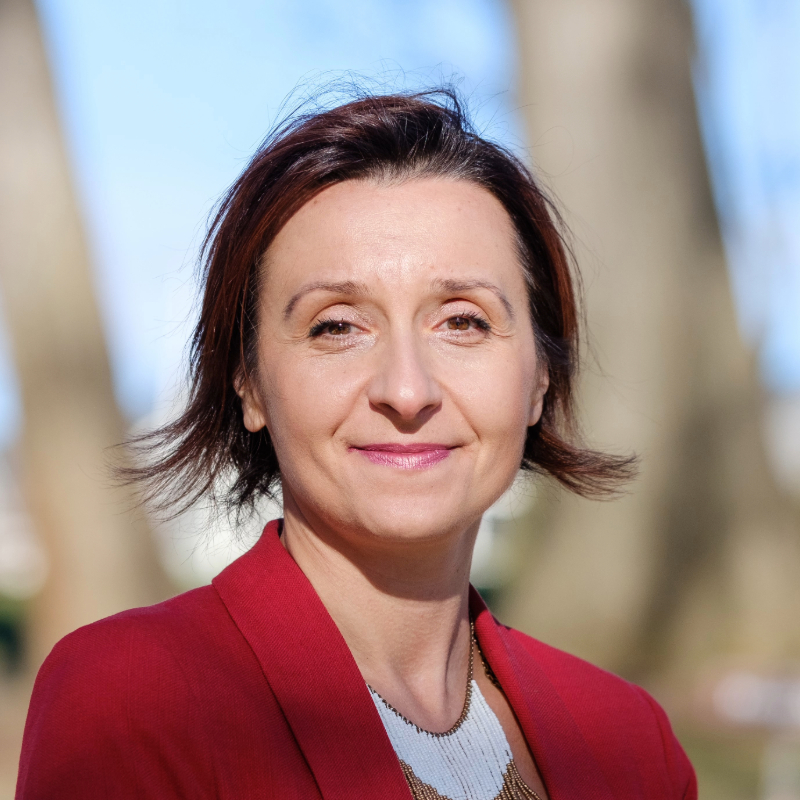
Executive Director, Harvard Belfer Center Initiative of Managing the Atom
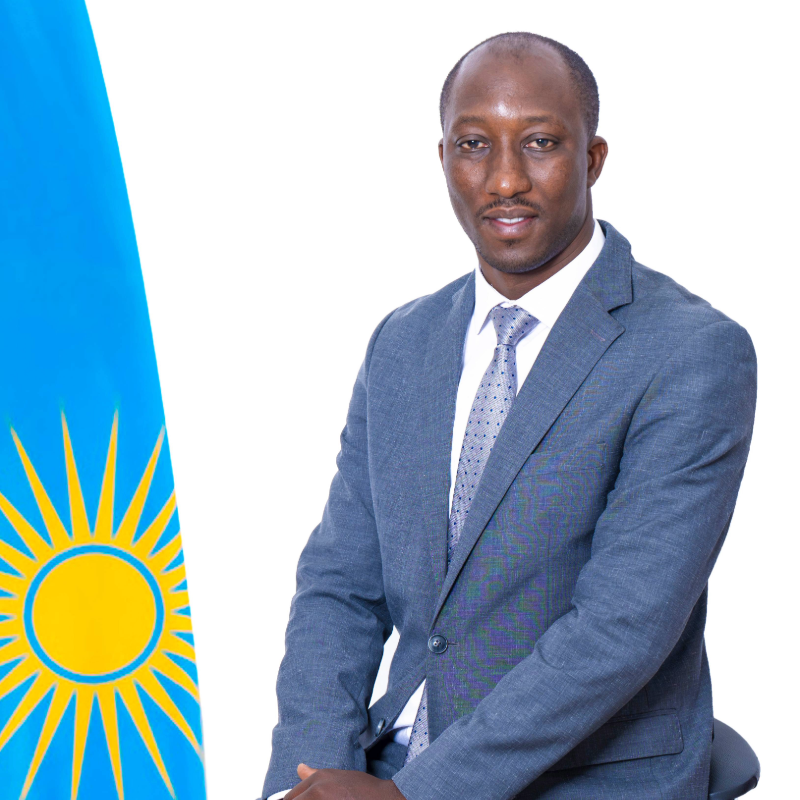
Minister, Ministry of Infrastructure, Rwanda
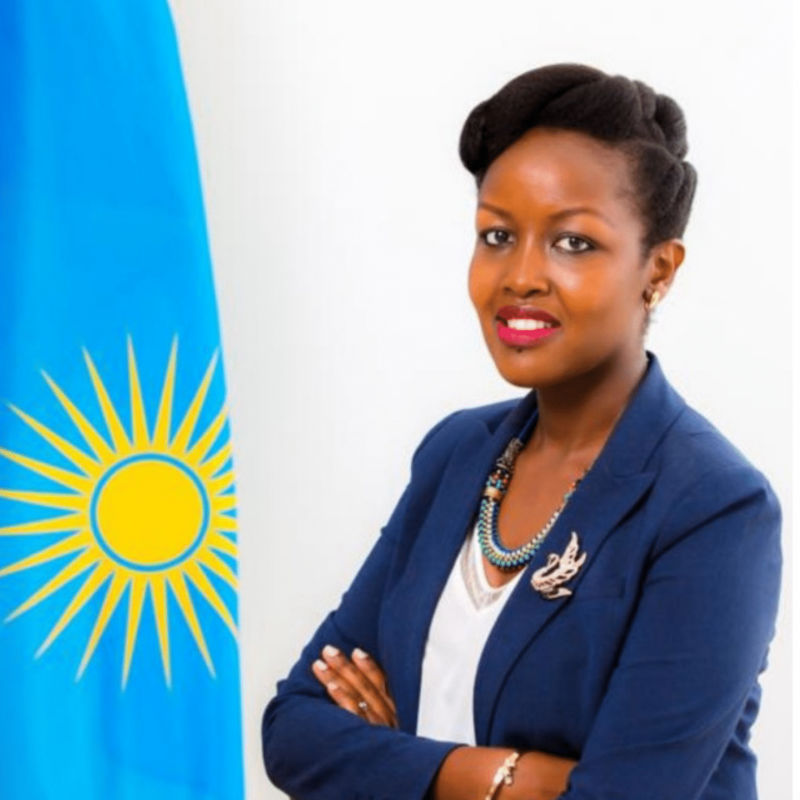
Minister, Ministry of ICT & Innovation, Rwanda
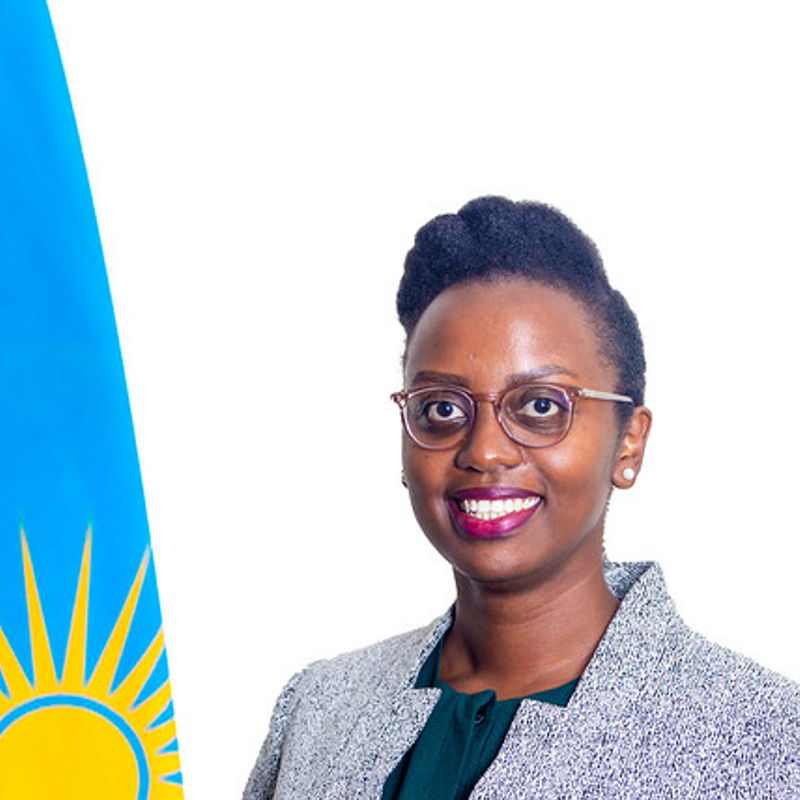
Minister of State, Ministry of Finance and Economic Planning, Rwanda
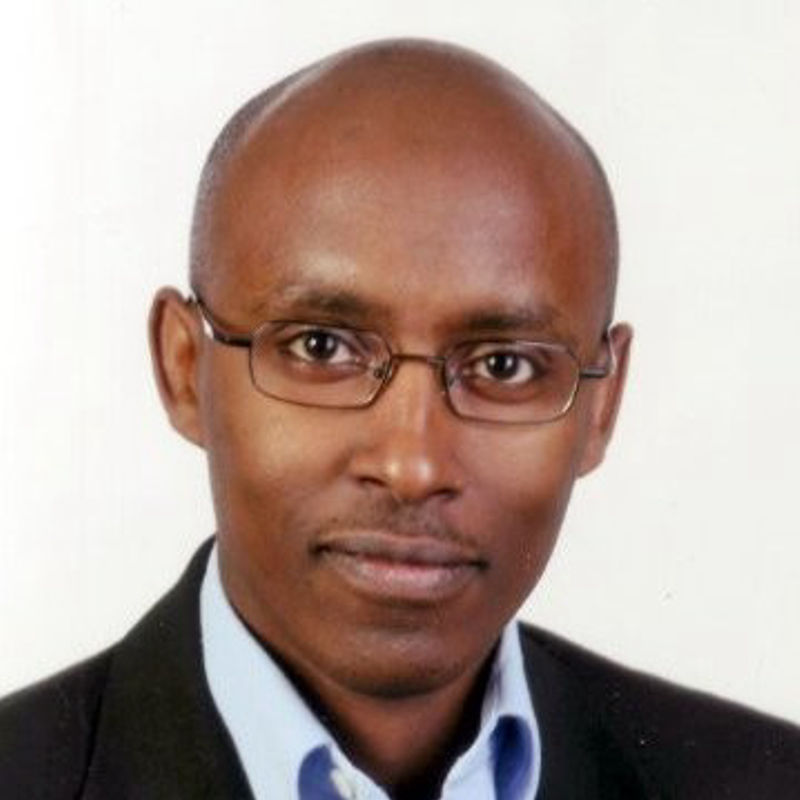
Principal of the College of Science and Technology, University of Rwanda
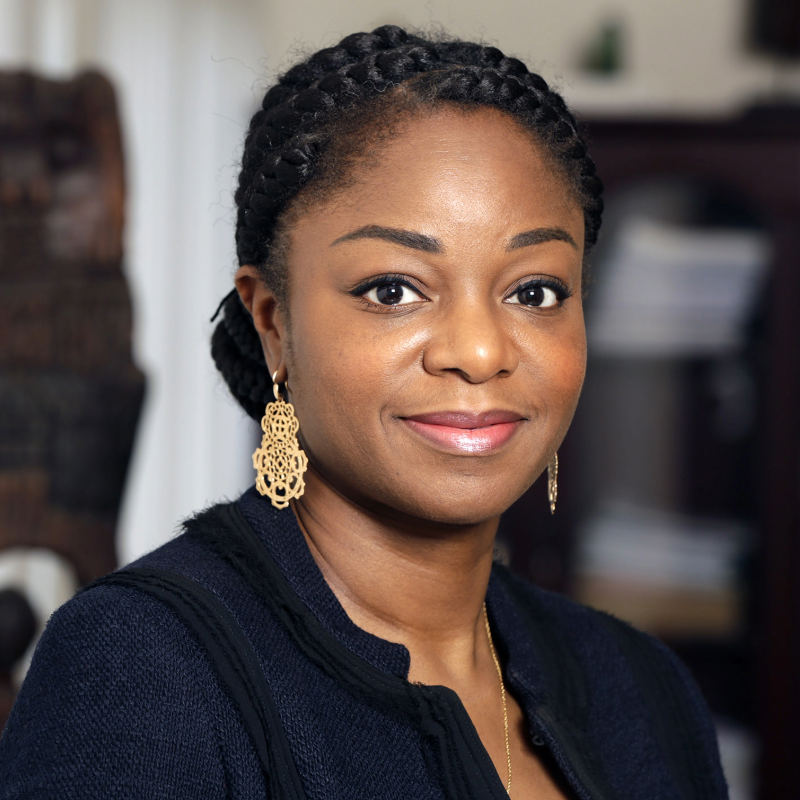
Minister, Ministry of Digital Economy and Transformation, Togo
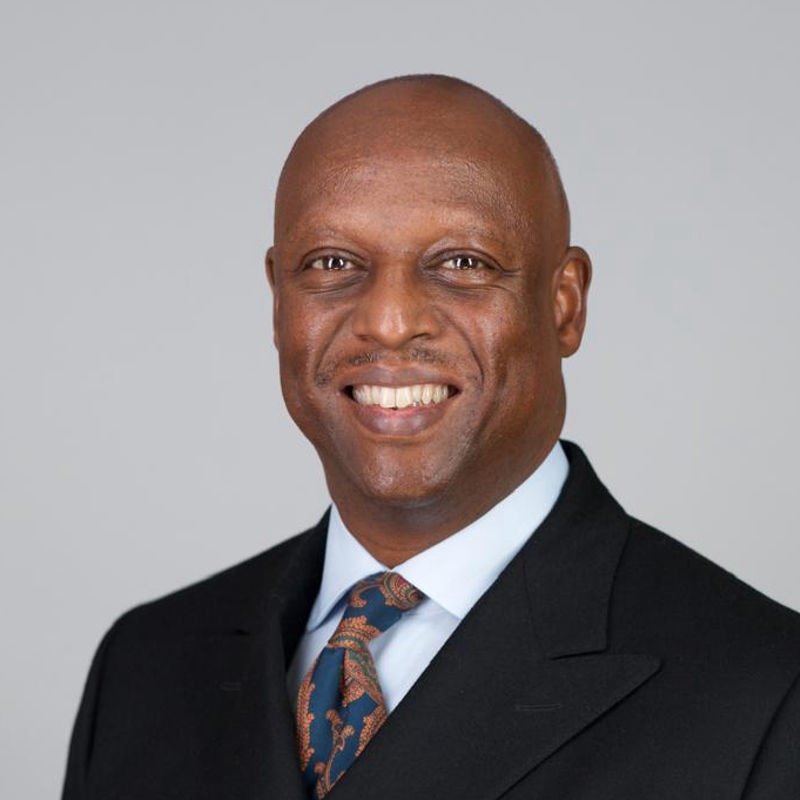
Co-Director, Energy Opportunity Lab at the Center on Global Energy Policy (CGEP), Columbia University
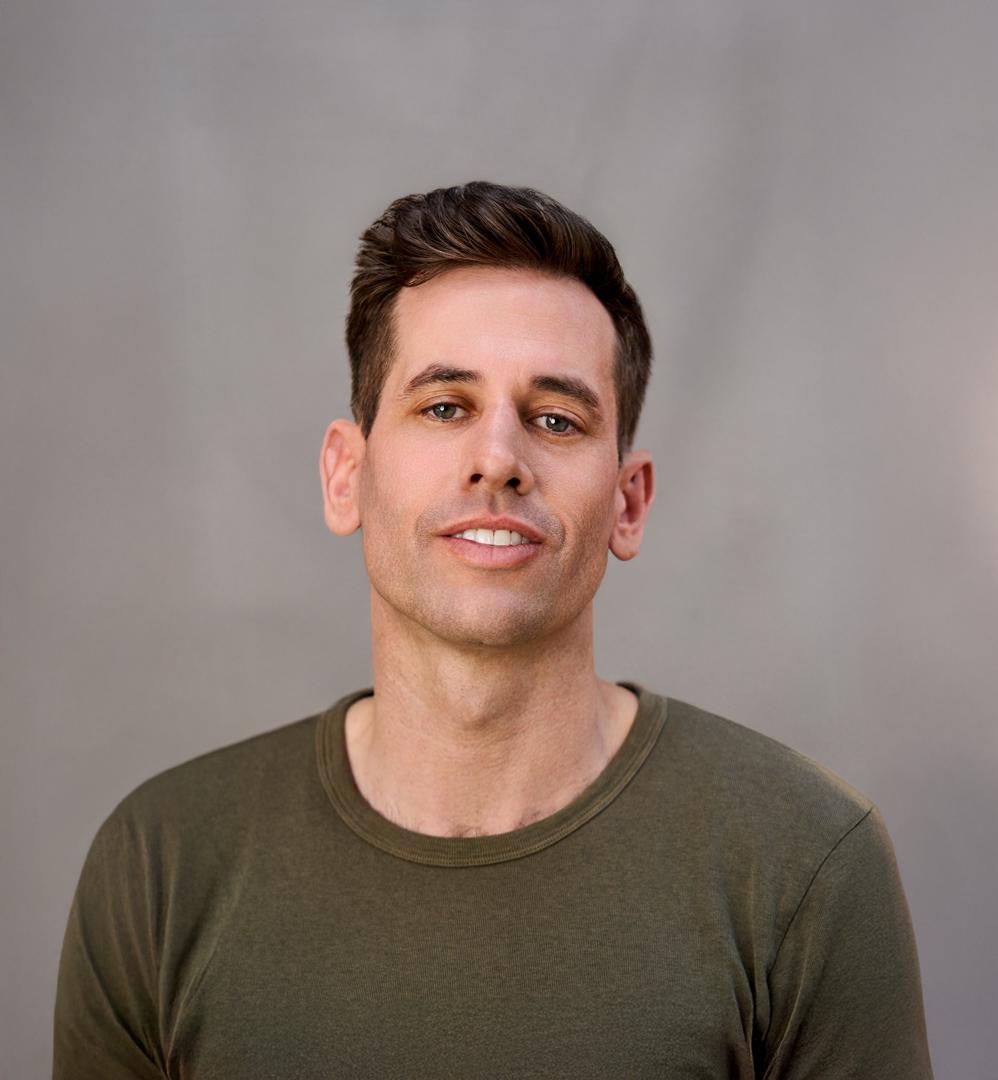
Professor, Earth and Nuclear Materials in the Department of Earth Sciences at the University of Cambridge

International Business Development Specialist, Cambridge AtomWorks

Founder, Africa4Nuclear
Professor, Department of Engineering, University of Cambridge
Director, Sub-Regional Office for Eastern Africa, UNECA
Director General, Association of Power Utilities of Africa (APUA)
President, African Association for Women in Nuclear
Program Facilitator, NiCE Club Rwanda
Crew Facilitator, Collaboration-Based Siting for Consolidated Interim Storage, U.S. Department of Energy (DOE)
CEO, Rwanda Atomic Energy Board (RAEB)
Ass. Professor, Polytechnic School of Ouagadougou
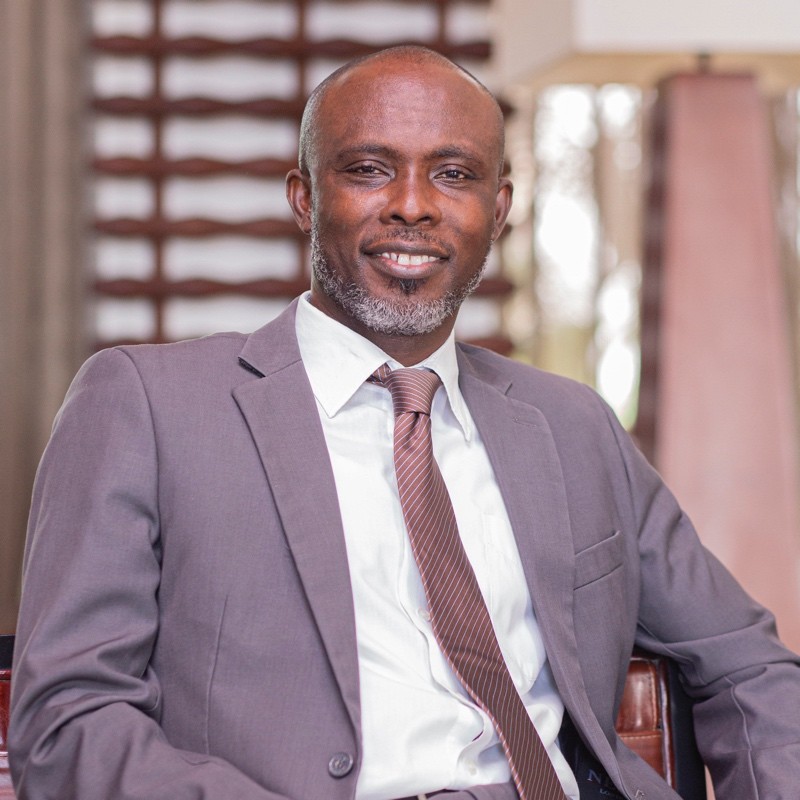
Executive Director, Nuclear Power Ghana (NPG)
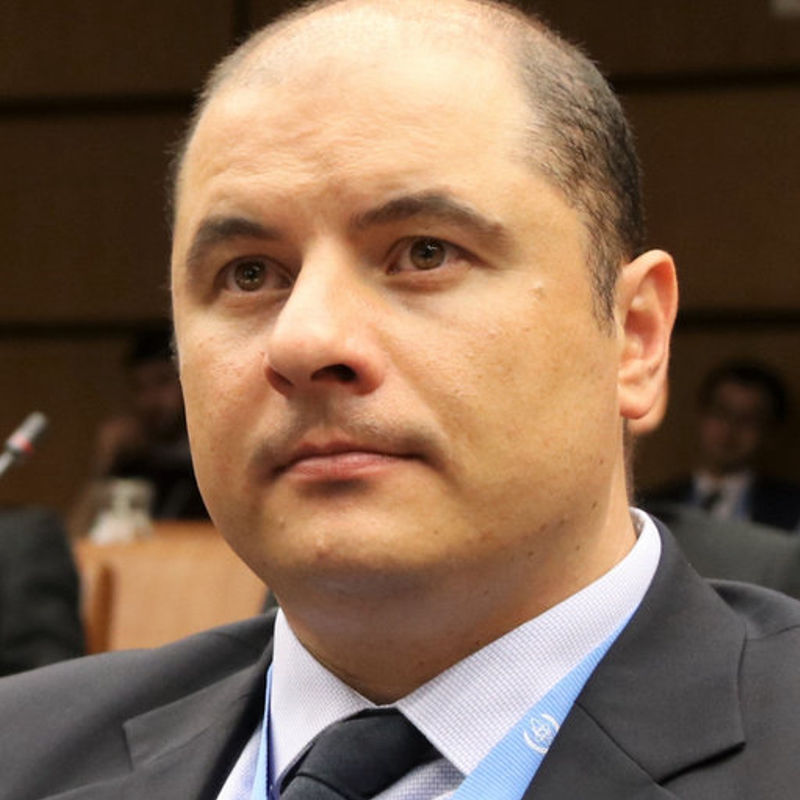
Partner, Pillsbury Winthrop Shaw Pittman LLP
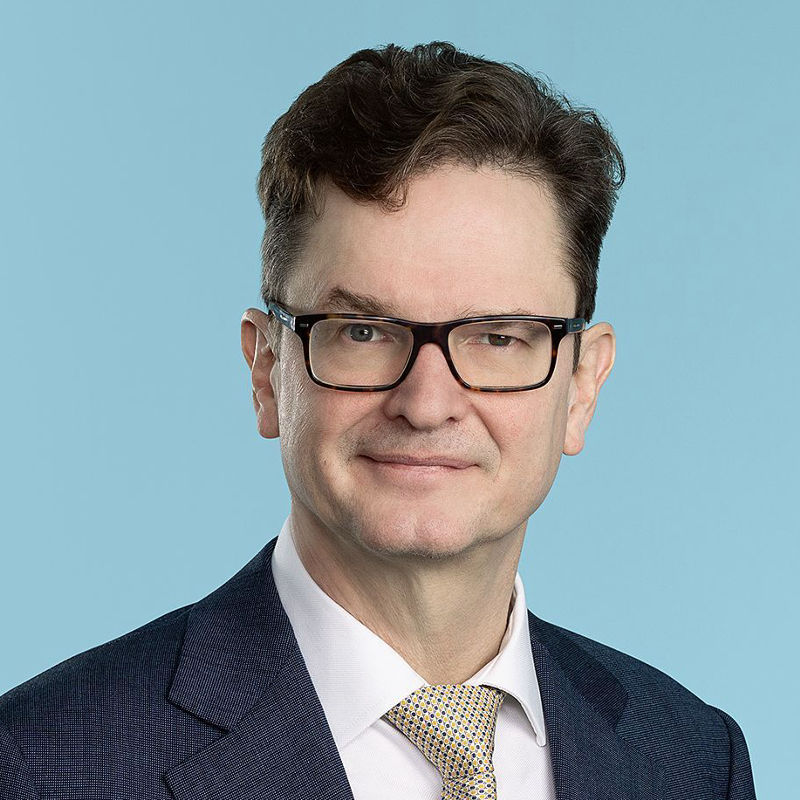
Full Stack Developer, WebDev Company
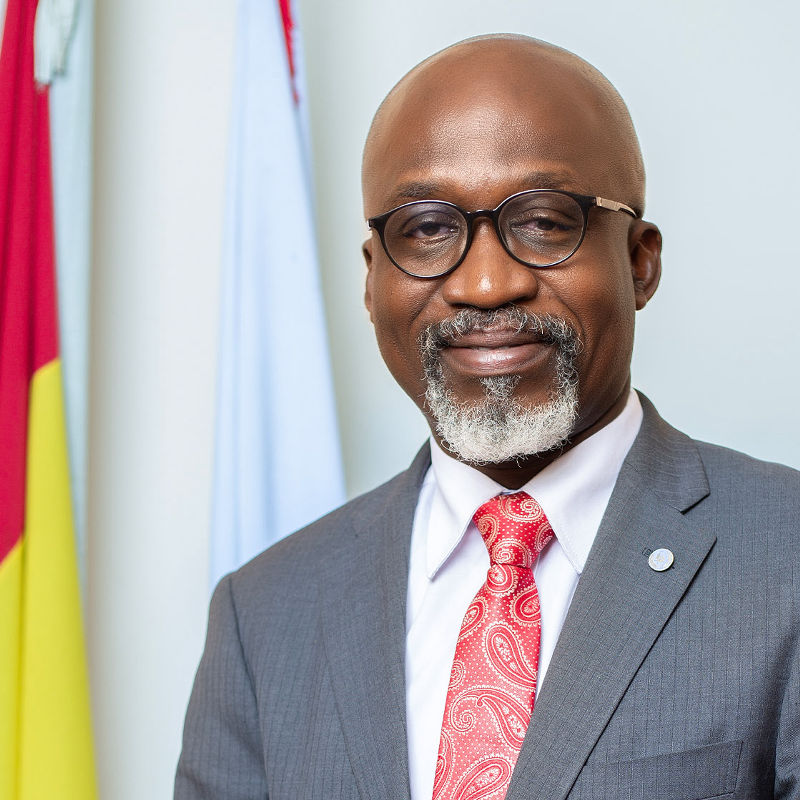
Director-General, Ghana Atomic Energy Commission (GAEC)
Founder and President, African Association of Professionals in Nuclear (AAPN)

Senior Associate, Fluence Energy Limited
CEO, Rwanda Energy Group
Cabinet Secretary for Energy and Petroleum, Kenya
Minister of Energy and Water, Mali
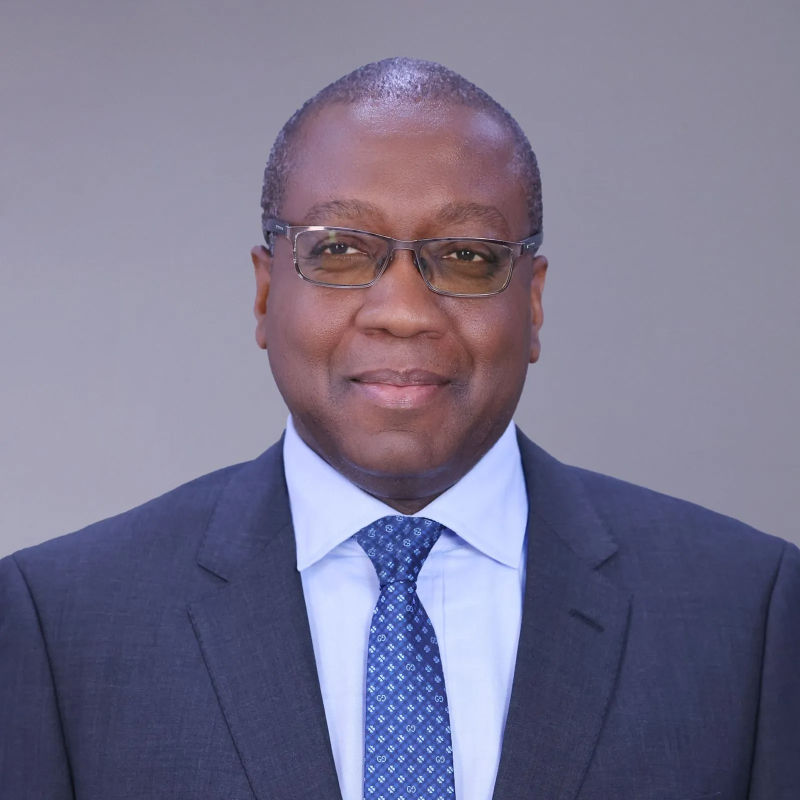
Minister of Mines & Energy Resources, Togo
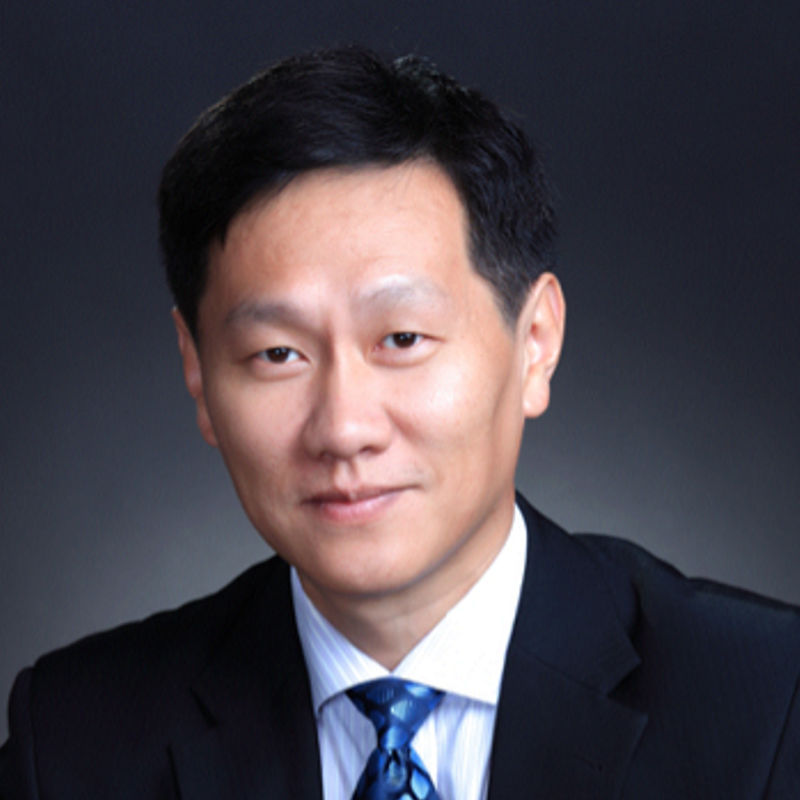
Director of Nuclear Planning, Innovation, & Knowledge Management, IAEA
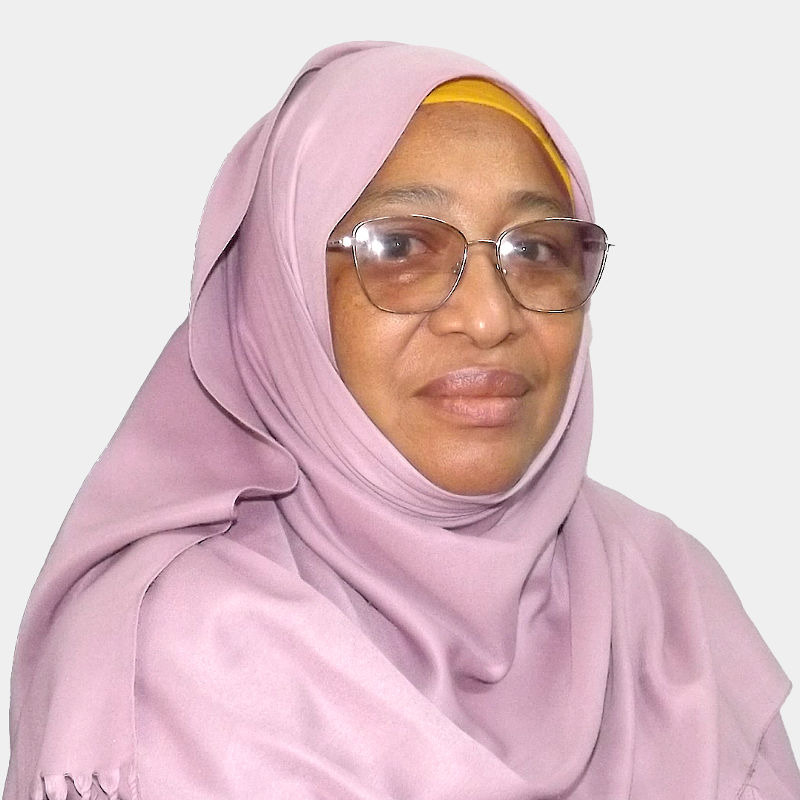
Director General, Tanzania Atomic Energy Commission
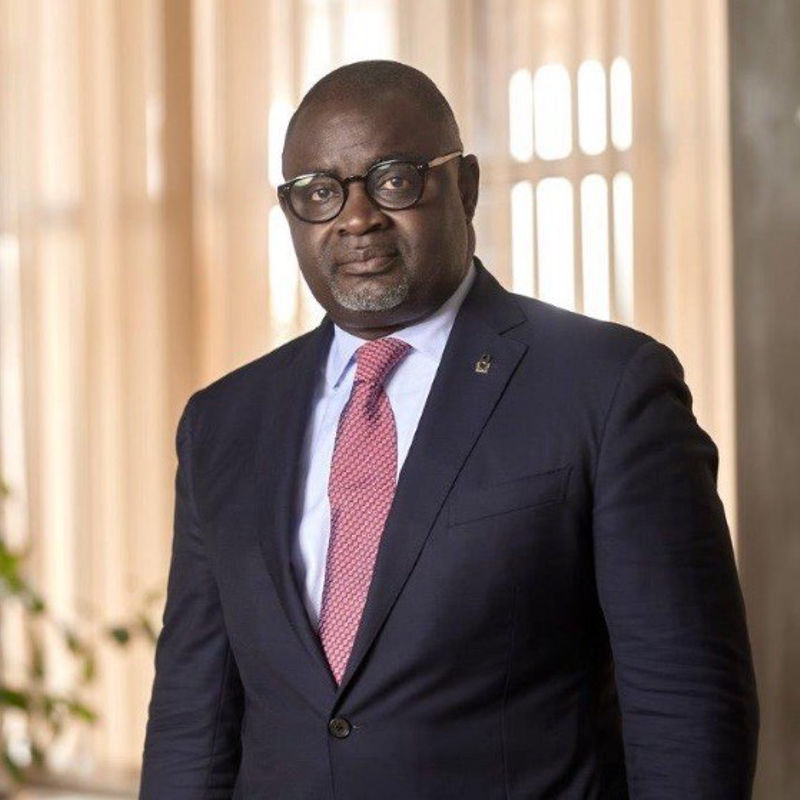
Special Advisor to the President, West African Development Bank
Managing Partner, Stallion Capital Africa
Secretary-General ,Central African Power Pool (CAPP)
Planning Engineer, Southern Africa Power Pool (SAPP)
Director of Technology, Innovation, Connectivity and Infrastructure, ECA
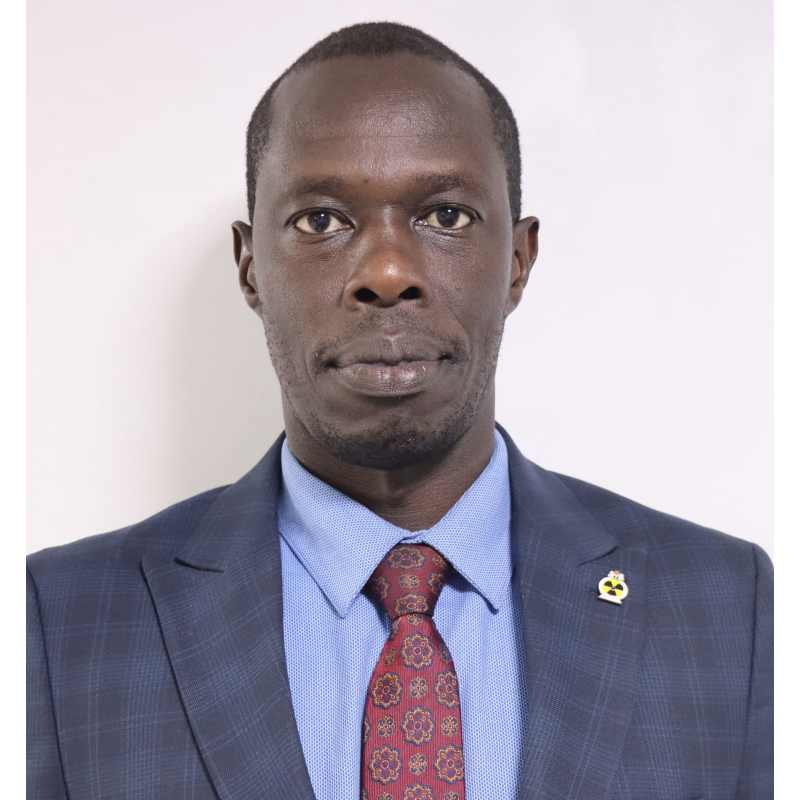
Director General, Kenyan Nuclear Regulatory Authority
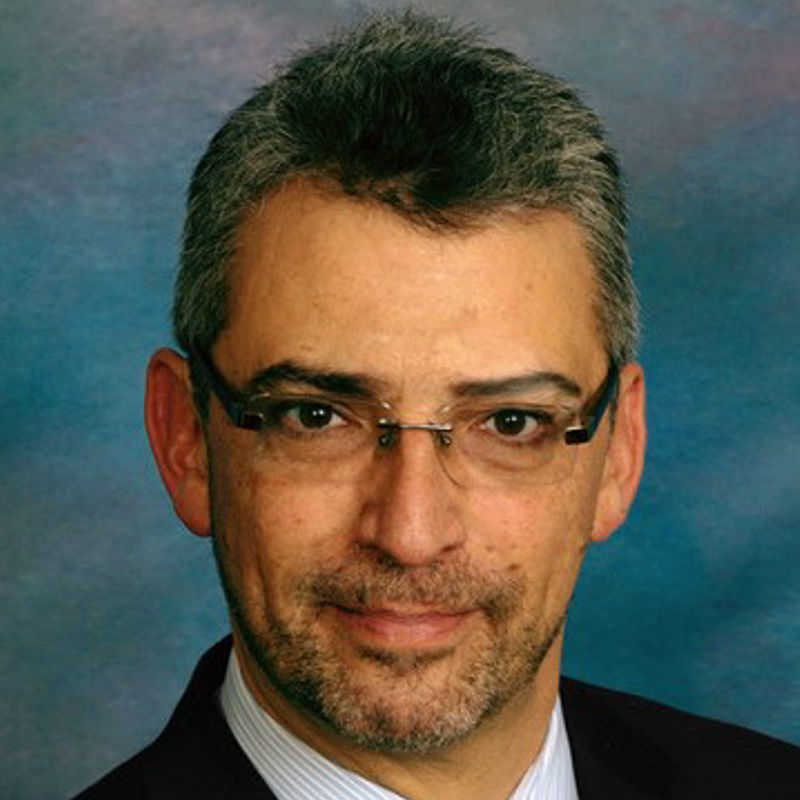
Snr. Fellow, Atlantic Council’s Eurasia Center, Member of the Council of Foreign Relations & Managing Director of the Energy, Growth, and Security Program
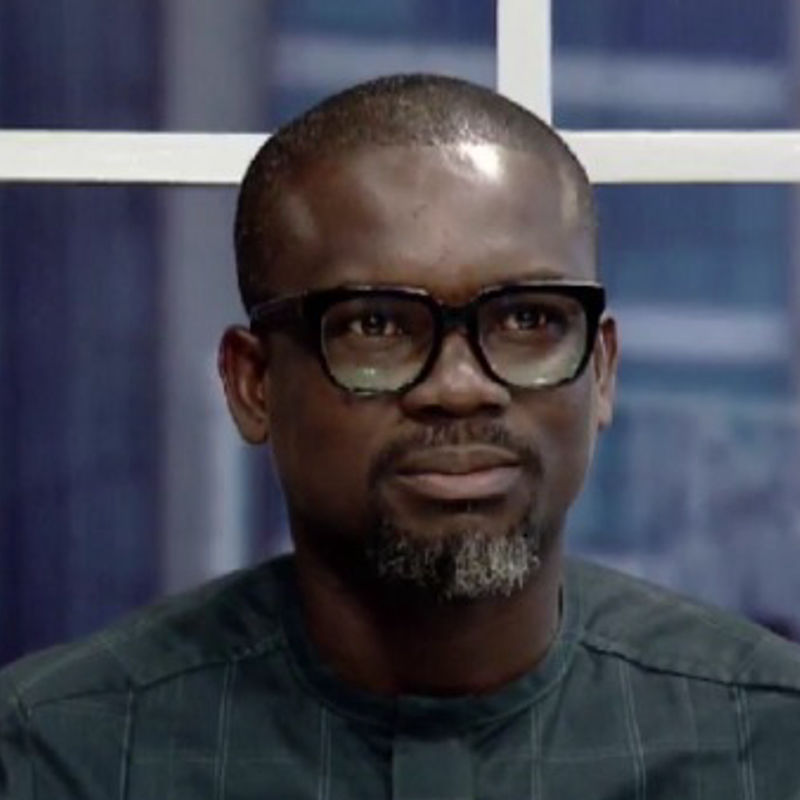
Ag. Director General, Ghana Regulatory Authority

Co-Founder and Chairman, Minexx
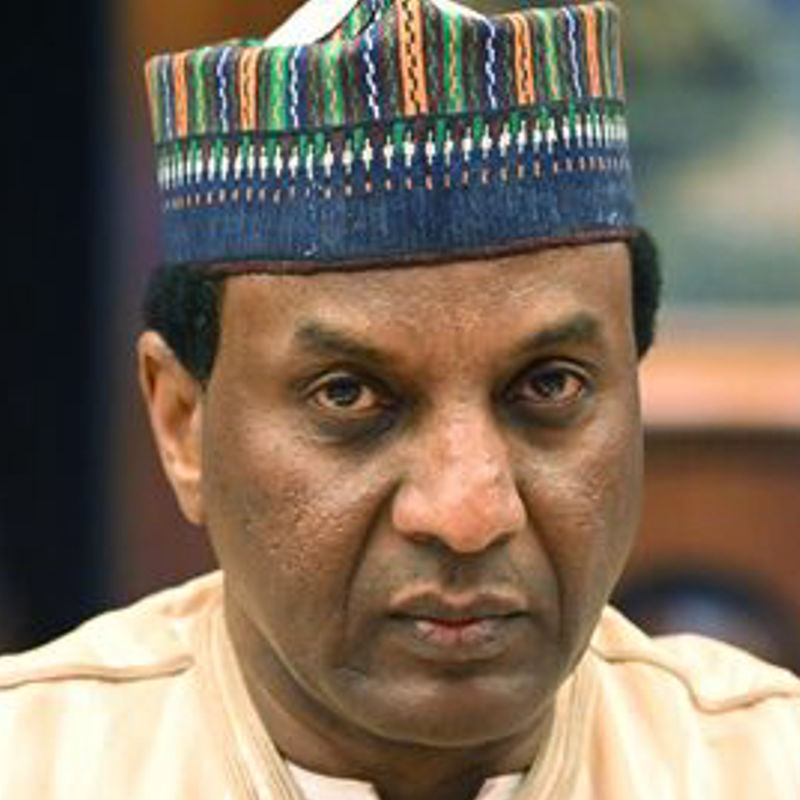
Prime Minister of the Republic of Niger
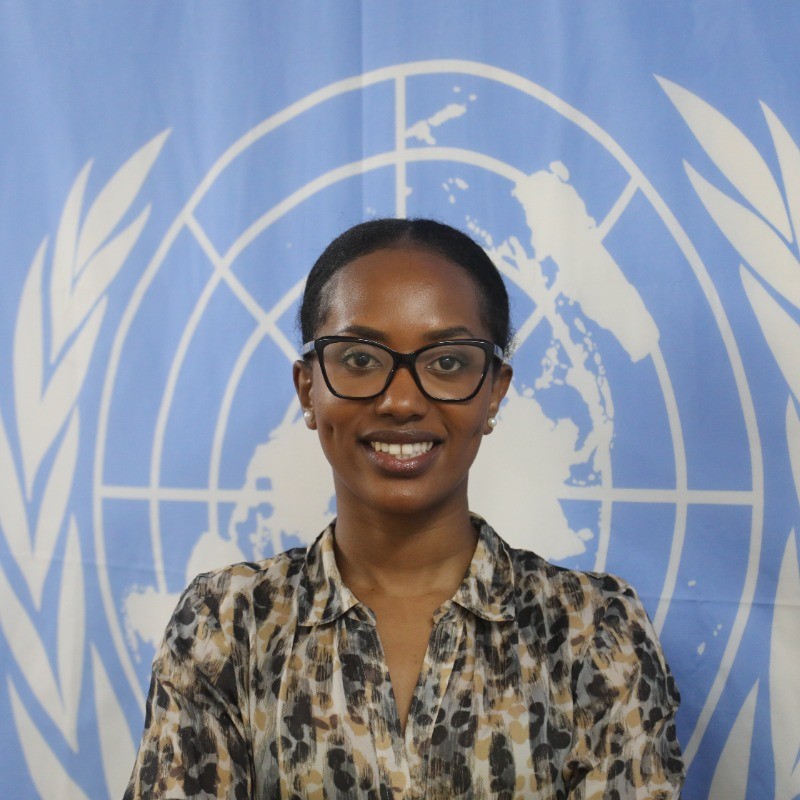
Head of the Nuclear Safety and Security Department, Rwanda Atomic Energy Board
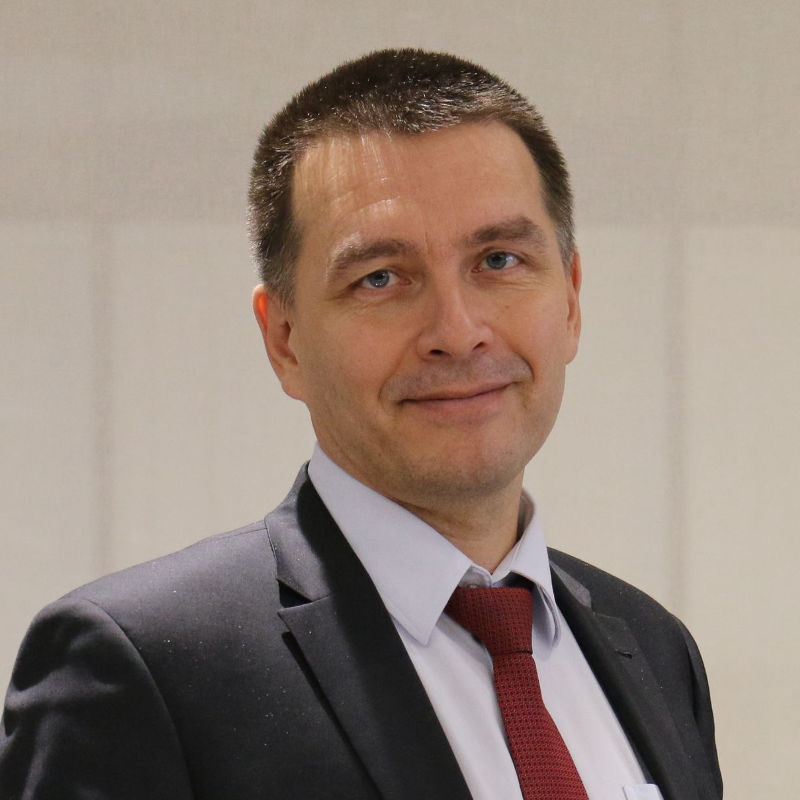
Deputy General Director, JSC Rosatom Energy Projects
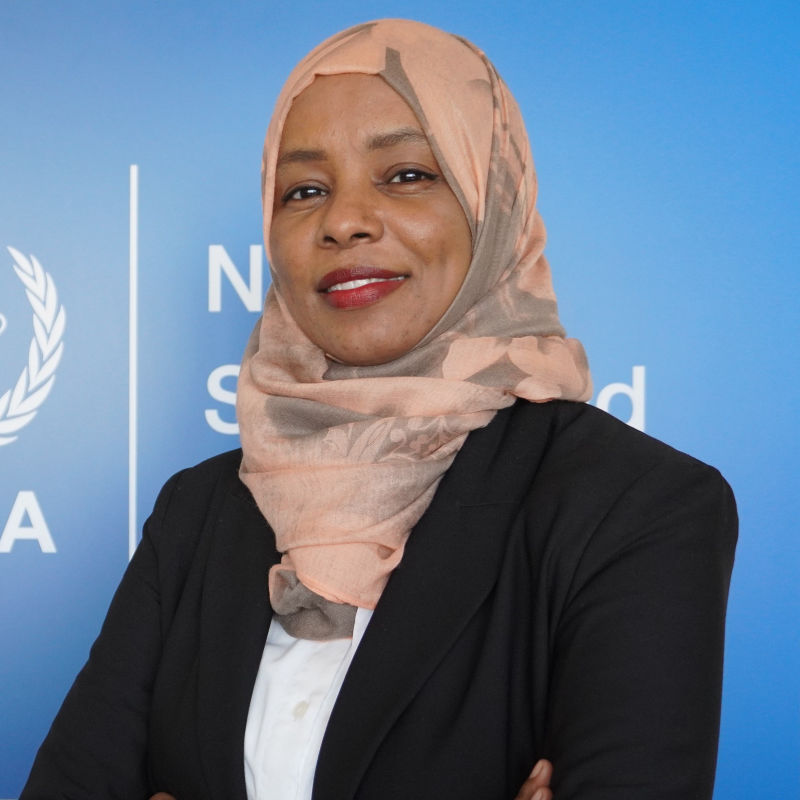
Member of the International Pre-licensing of EU-SMR-LFR Project, IAEA
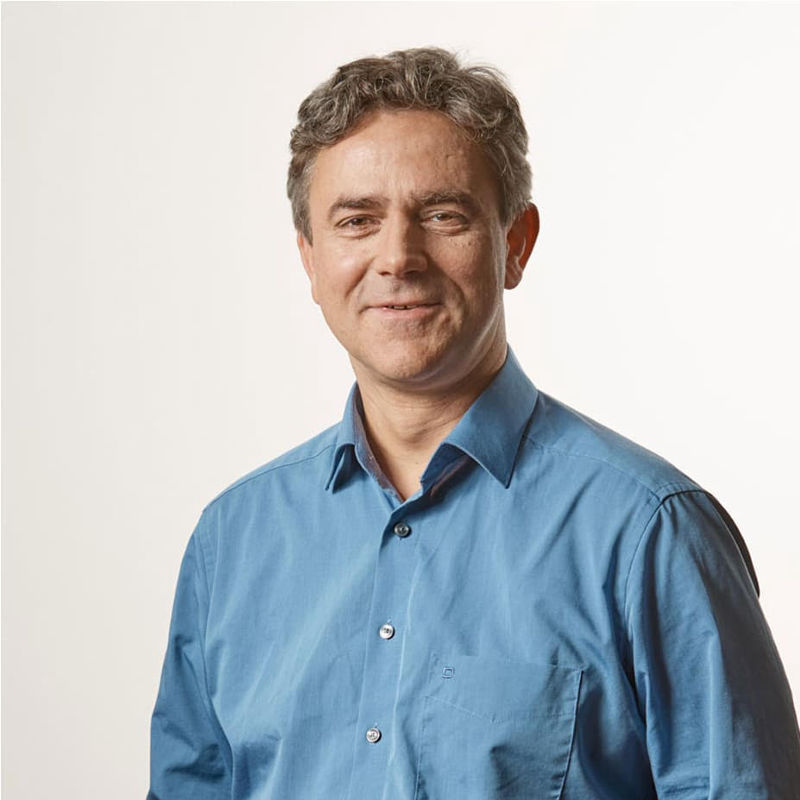
Director, CEO of Dual Fluid Energy Inc.

Business Development Engineer, HOLTEC International.
Director General, CNNC, Africa Office.