The second Nuclear Energy Innovation Summit on Africa closed with the continental conversation moving decisively from advocacy to delivery.
Over three days, Heads of State, the IAEA Director General, multilateral development banks, regulators, technology vendors, investors and youth networks addressed a single question: how does Africa translate nuclear ambition into investable, deliverable reality? Four structural shifts defined the summit.
The World Bank has lifted its long-standing prohibition on nuclear financing, the Asian and Latin American development banks have signed agreements with the IAEA, and the African Development Bank is in advanced negotiations to follow.
Small and Micro Modular Reactors (SMRs and MMRs) fit smaller grids, allow phased deployment, and de-link siting from large rivers or coastal locations — reshaping what is deployable across the continent.
A Global Coalition for Nuclear Philanthropy — led by the Rockefeller Foundation and Temasek Trust with the Oppenheimer Project and five founding partners — launched to direct patient, risk-tolerant capital into pre-commercial work.
Hyperscale data centres and AI workloads, mineral processing and beneficiation, and large-scale agro-industrial value chains under the AfCFTA now anchor the case for baseload nuclear power.

Completed IAEA Phase 1 INIR; operational capacity targeted for the early 2030s; signed MOUs with the U.S., IAEA and Holtec.

Confirmed a 1,200 MW nuclear roadmap and signed an MOU with the United States.

Committed to a first 2,000 MW plant scaling to 6,000 MW by 2040, seeded by a National Infrastructure Fund.

Signed a five-year cooperation framework with the IAEA — and will host NEISA 2027 in Lomé.

Confirmed Phase 2 status; offered its Graduate School of Nuclear and Allied Sciences as a continental shared resource.

Confirmed an additional 5,200 MW of nuclear by 2039, with an SMR demonstration programme at NECSA.
Heads of State, Energy & Finance Ministers, and continental bodies (AUC, AfCFTA, AFCONE).
National regulators, safety authorities, and standards & technical bodies.
DFIs, private investors, philanthropies, ECAs and insurers.
Reactor technology providers, project developers and supply-chain partners.
Utilities, power pools, and industrial & commercial off-takers.
Academia, Women & Youth in Nuclear networks, civil society and media.
Cooperation agreements signed in Kigali, converting summit dialogue into concrete bilateral and institutional commitments.
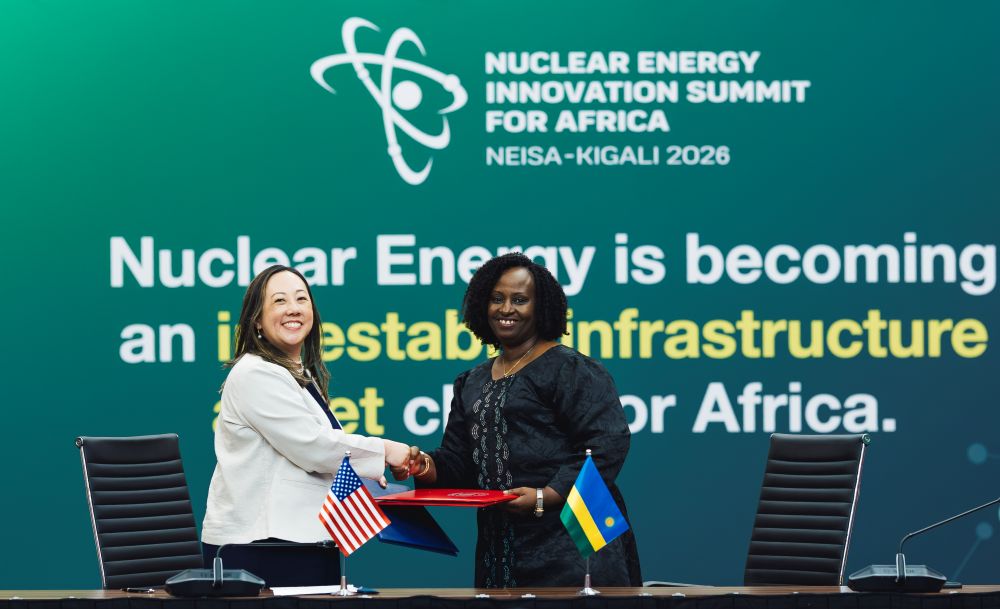
Strategic civil nuclear cooperation between the U.S. and Rwanda, emphasising safety, security, non-proliferation, and future collaboration in nuclear energy and related fields.
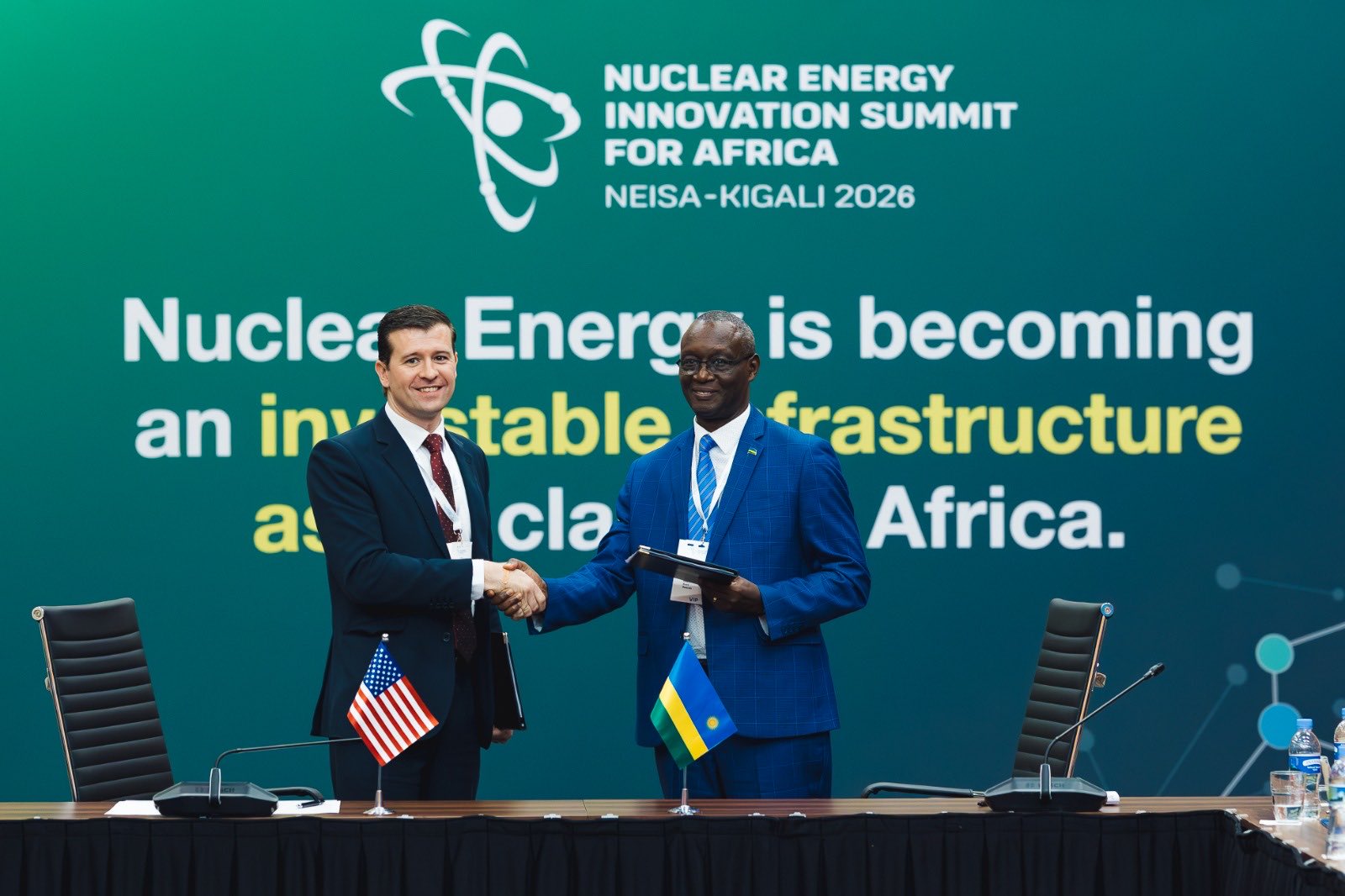
A framework to evaluate and potentially deploy Holtec's SMR-300 reactors in Rwanda, covering site planning, financing and regulatory alignment.
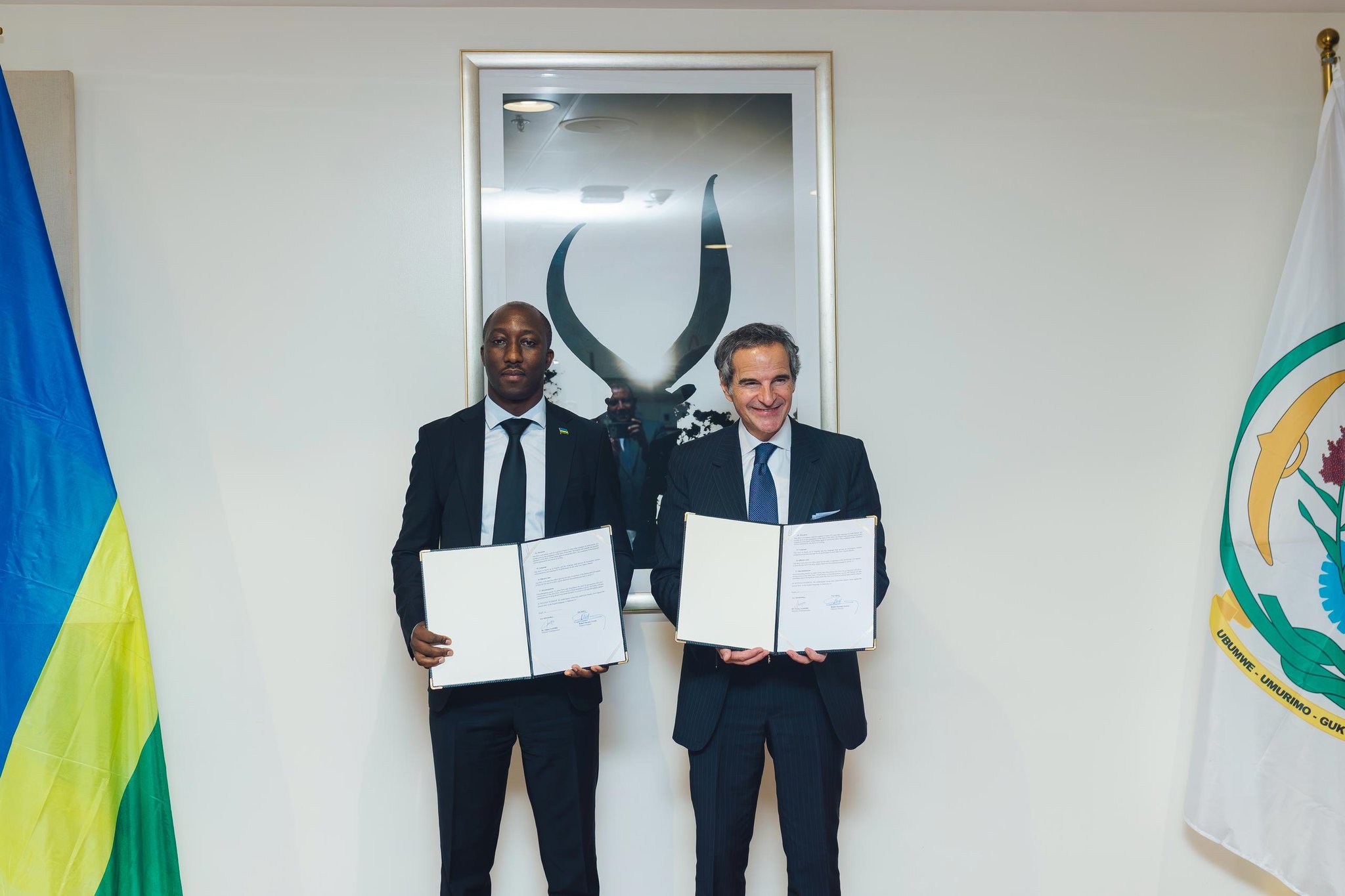
Cooperation across information exchange, energy planning, infrastructure development via the IAEA Milestones Approach, knowledge management, human-resource development, and strengthening engagement with financiers to enhance bankability — including SMRs.
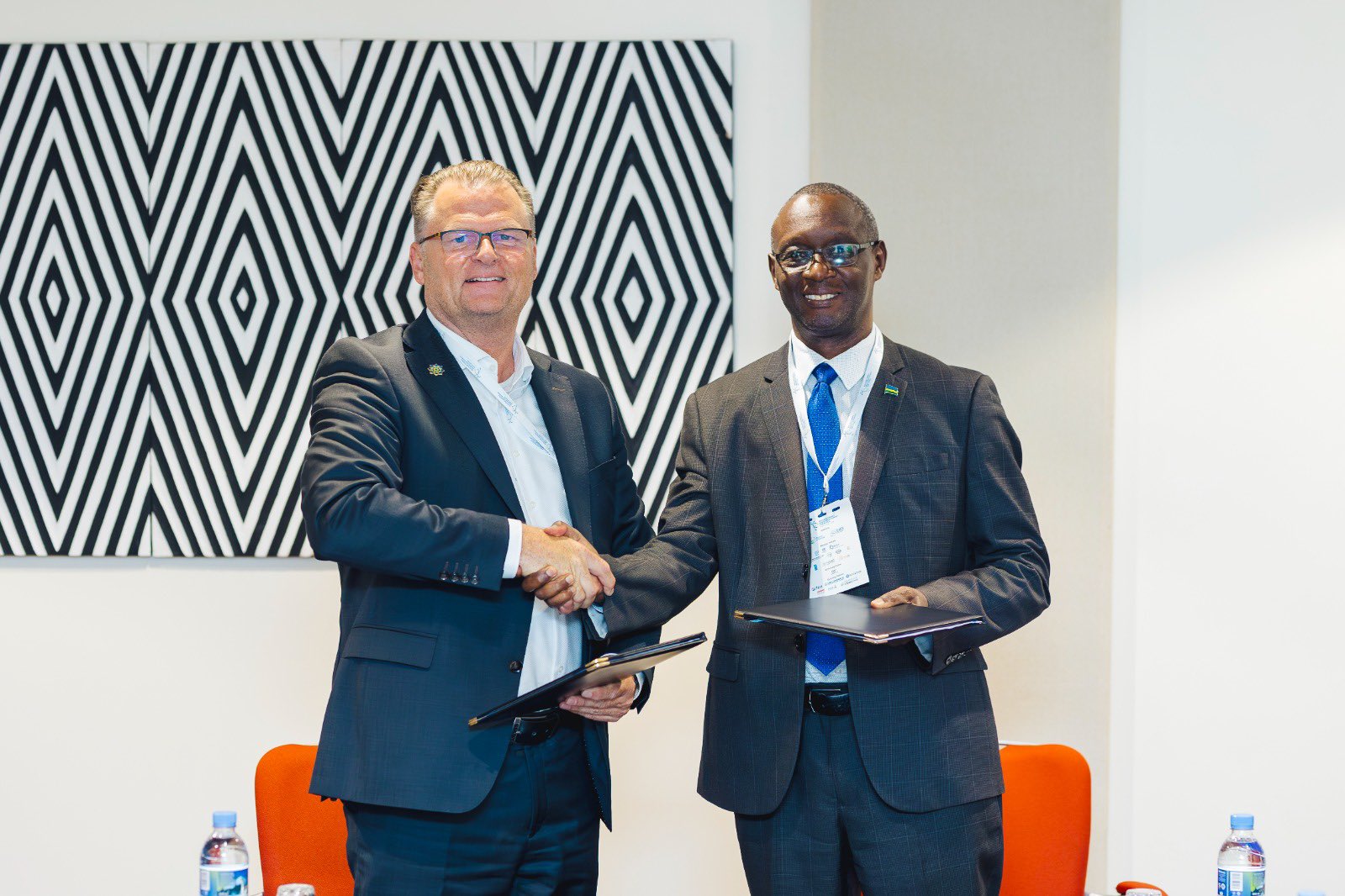
Strategic nuclear workforce development — advancing human capital, technical competency, institutional preparedness and specialised capacity-building for Rwanda's nuclear energy programme.
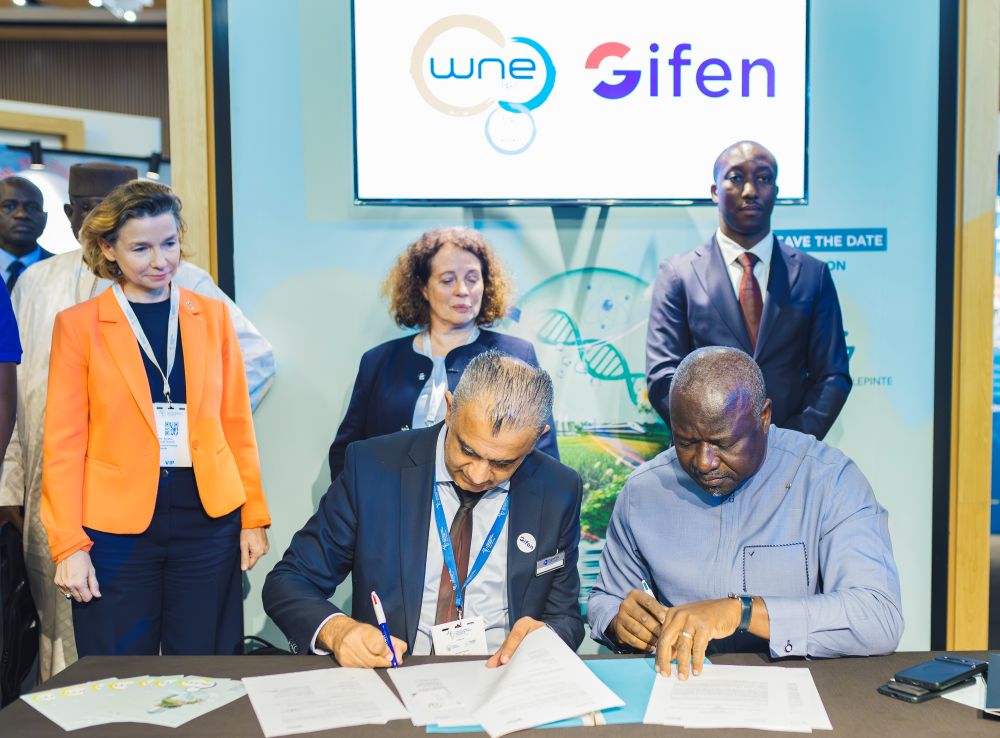
A framework to cooperate on nuclear security relevant to the use of nuclear energy, applications and technology, based on the respective mandates of the parties.
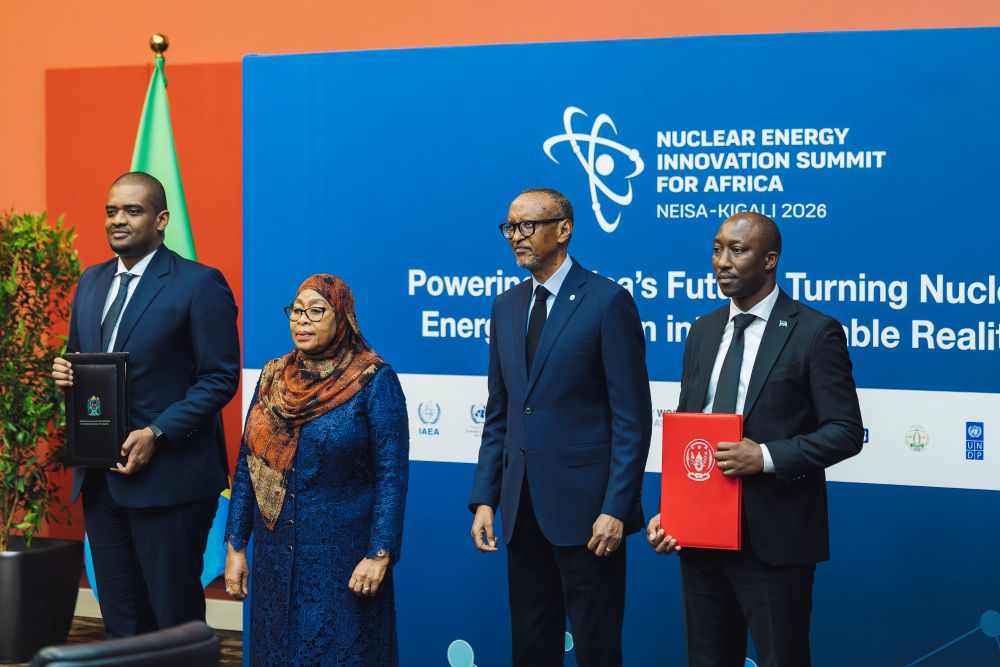
A framework for energy-sector cooperation focused on electricity trade and security — mutual electricity exchange, joint infrastructure planning, harmonised standards, capacity building and knowledge sharing.
A selection of moments from three days at the Kigali Convention Centre.
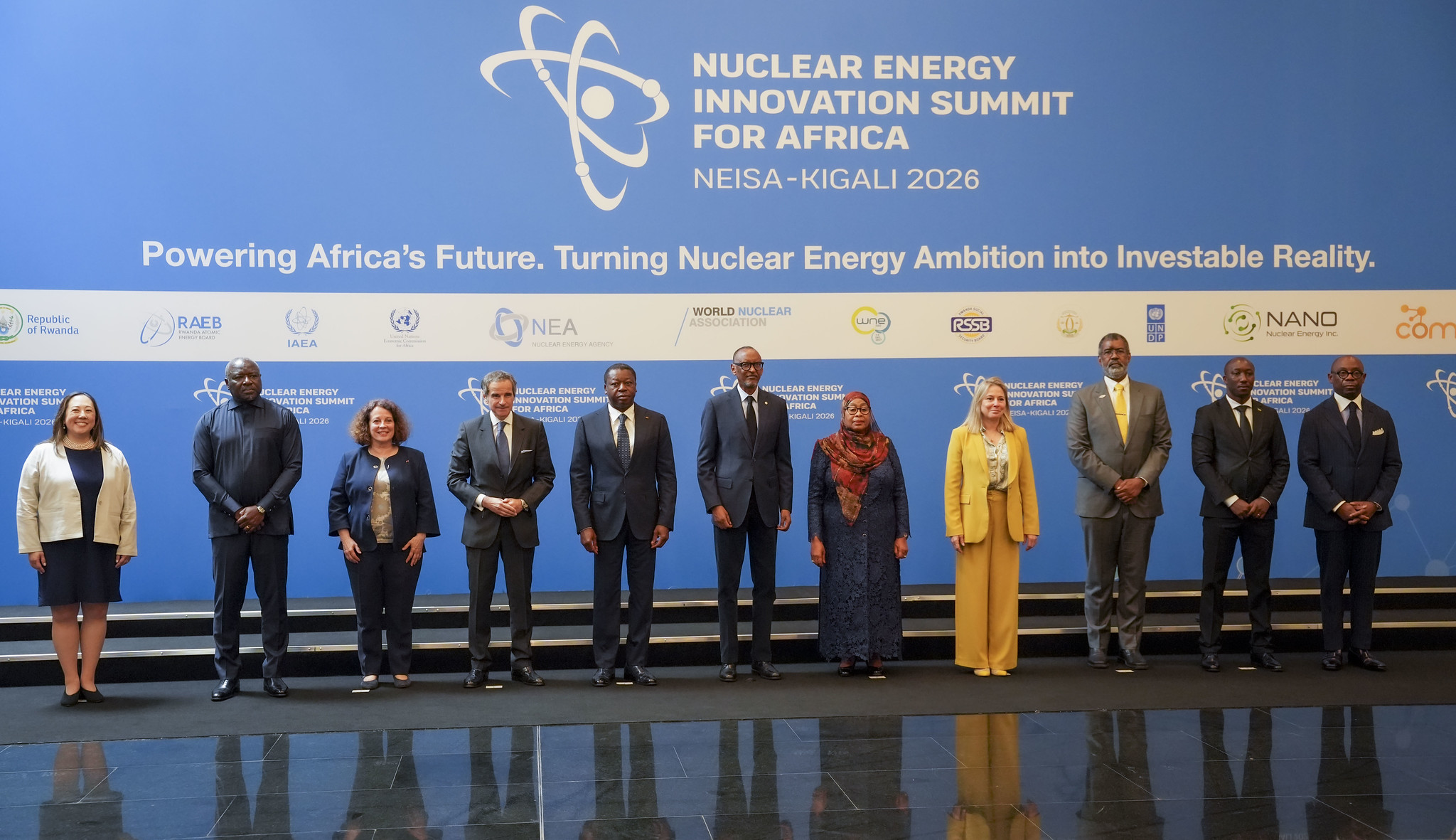
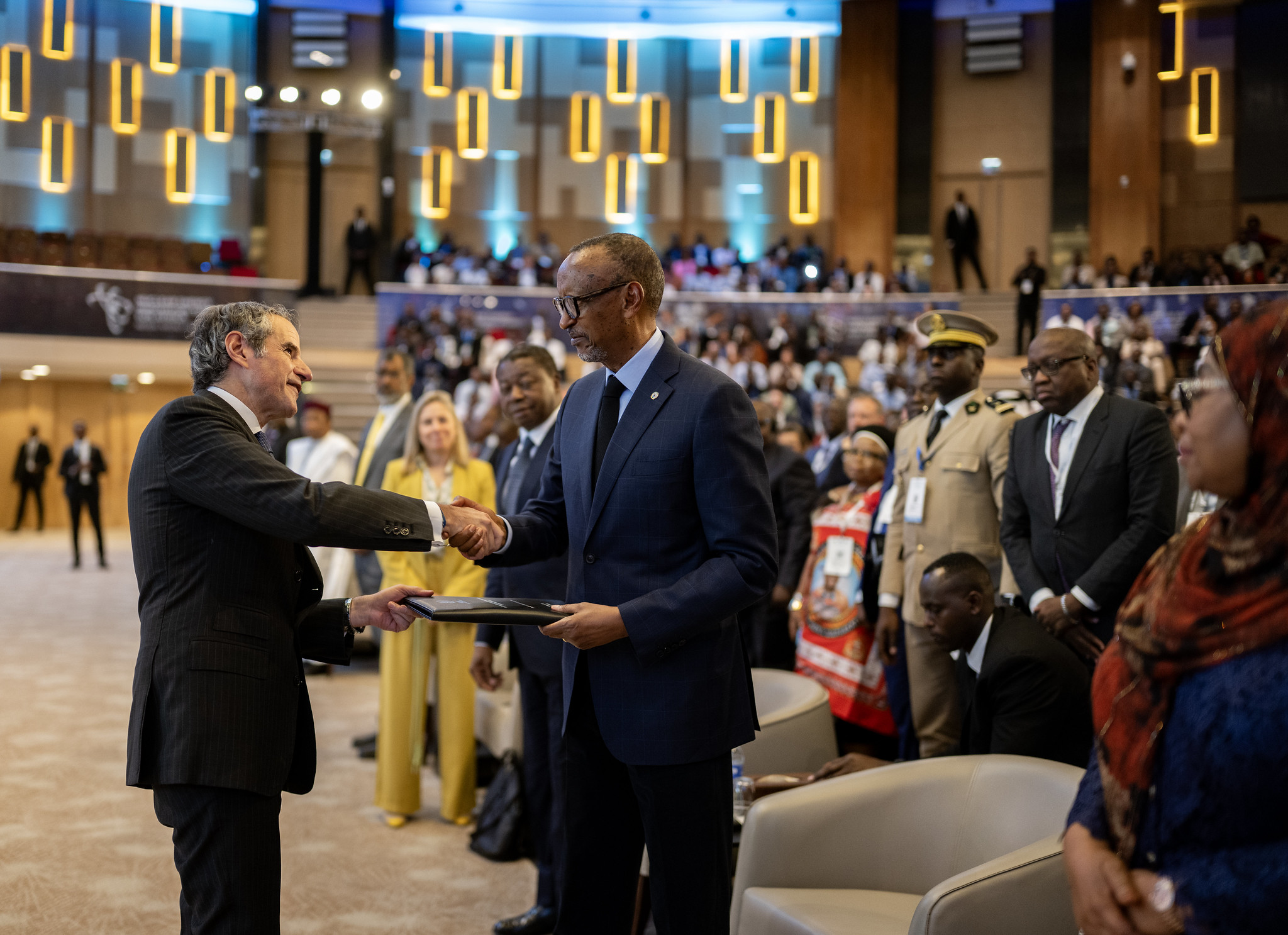
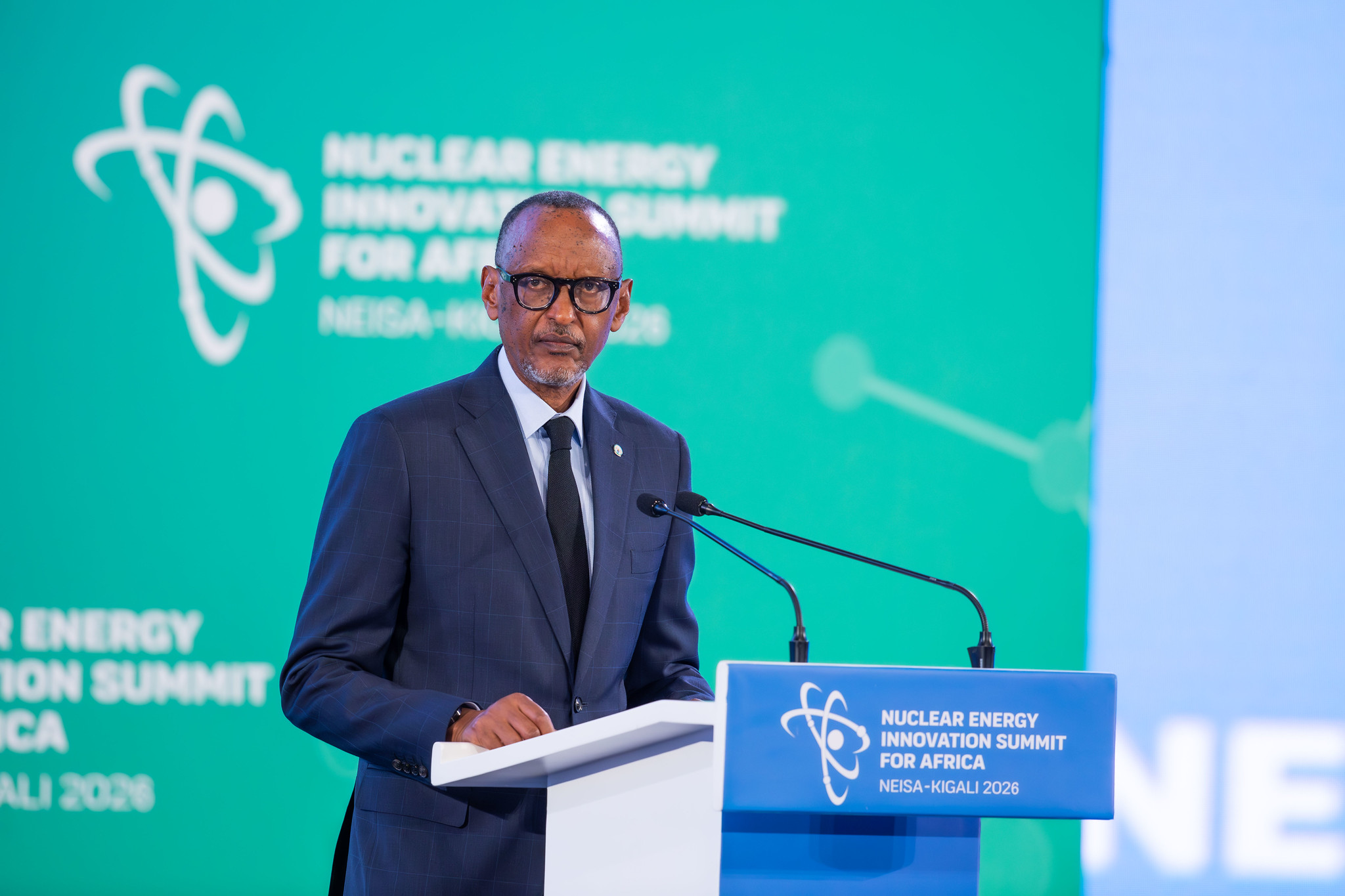
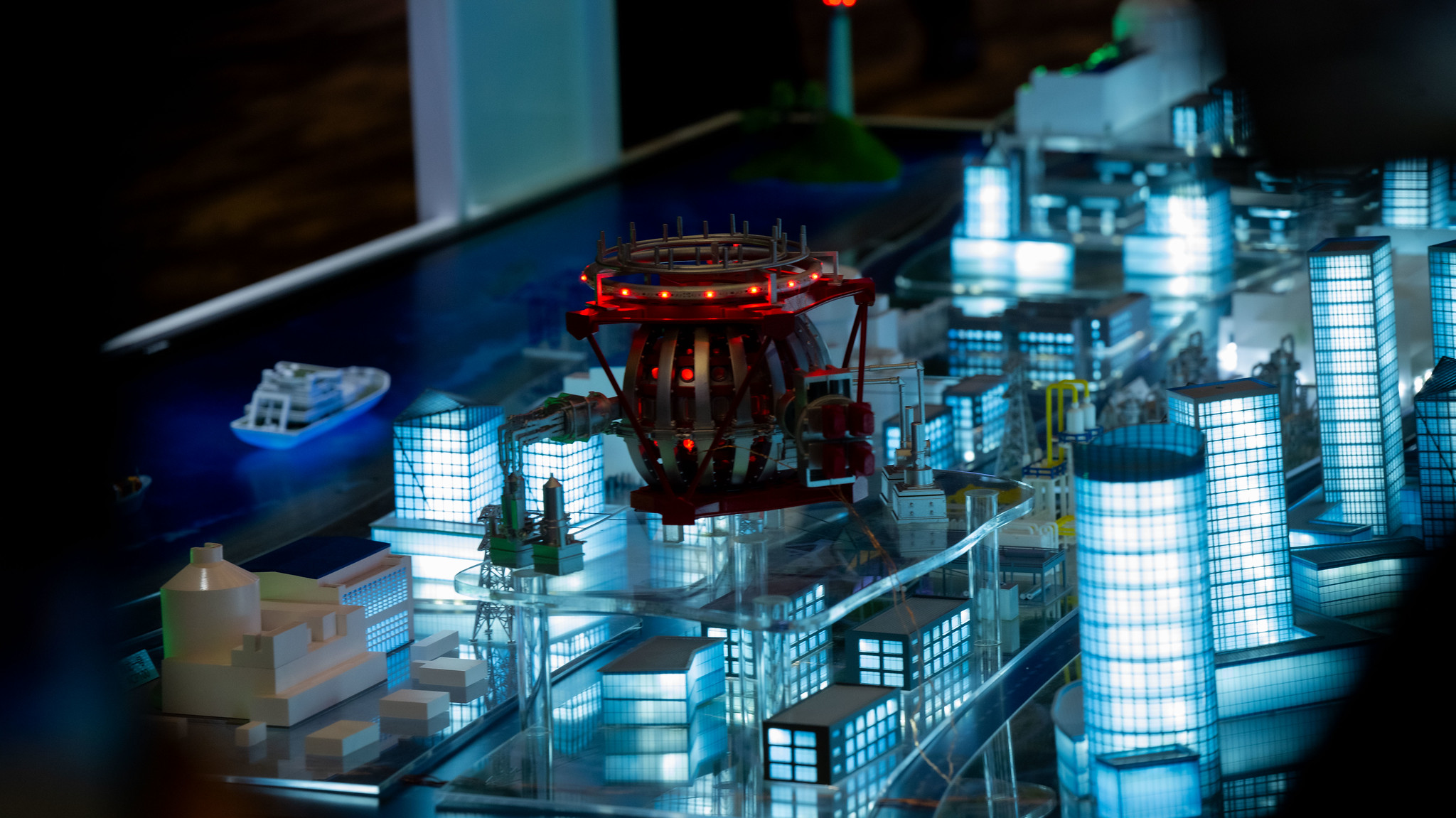
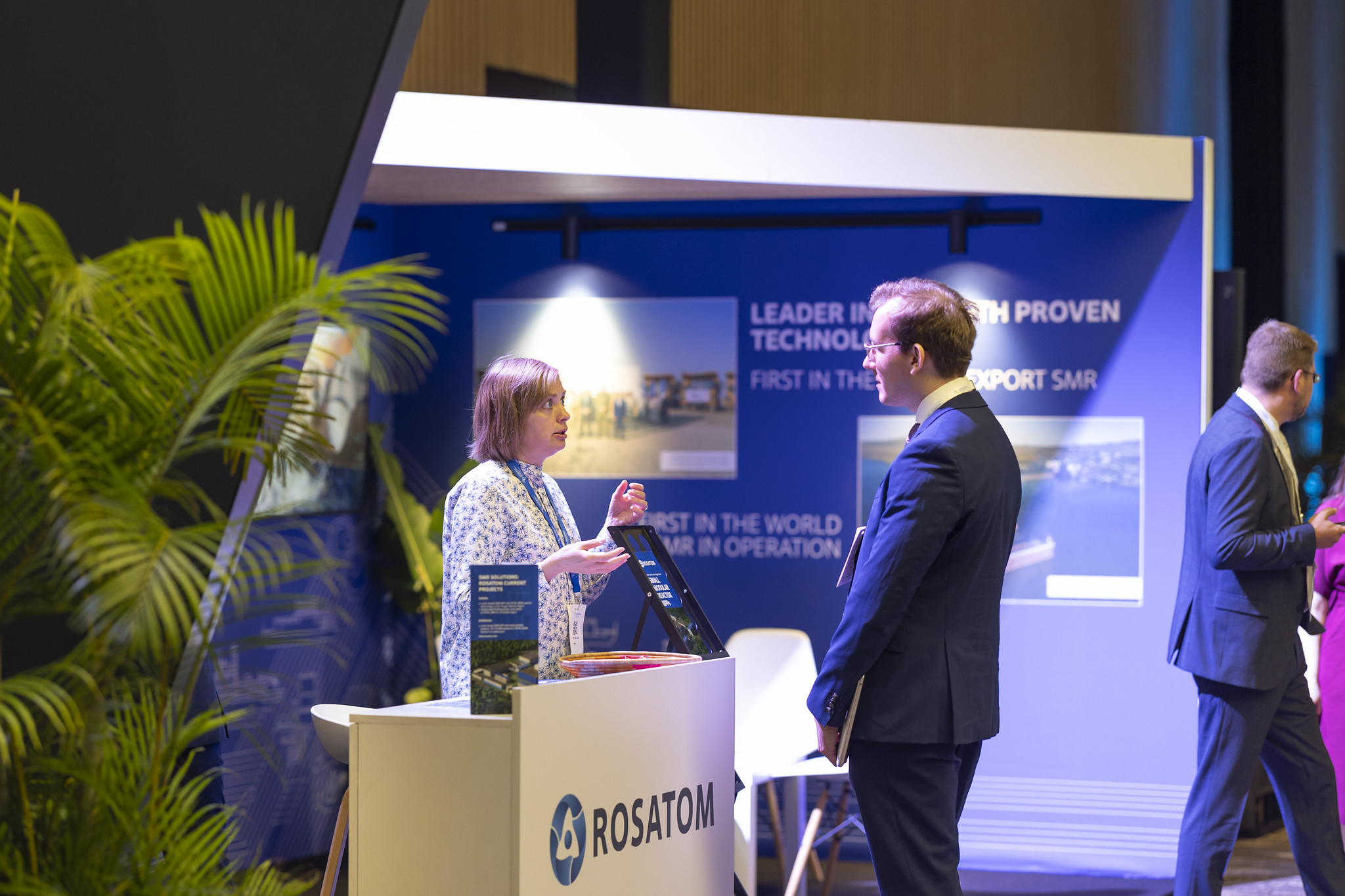
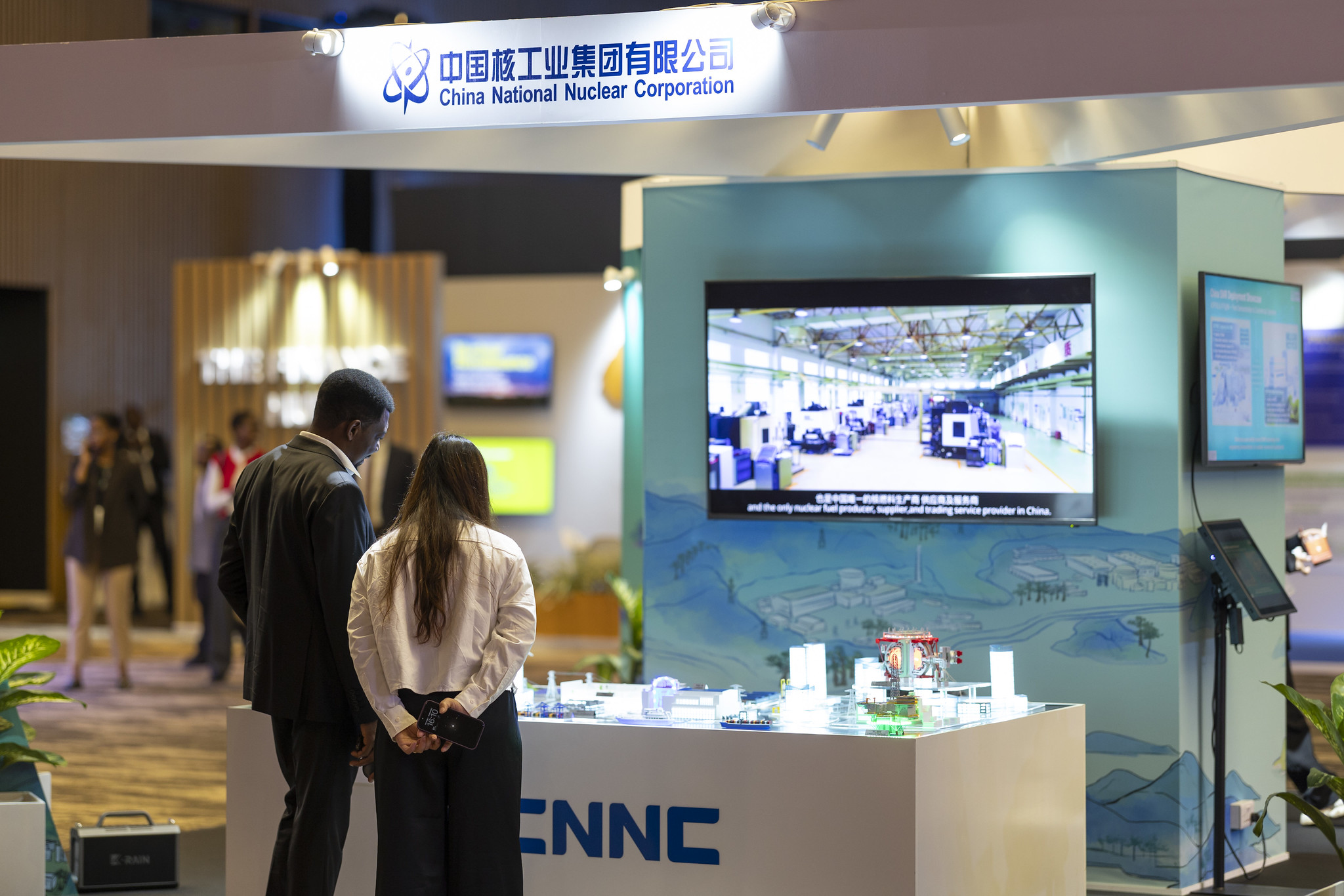
Highlights, keynote moments and panel discussions from NEISA 2026.
The summit closed with broad agreement that the next edition should measure the continent against the concrete deliverables agreed in Kigali — with working tracks operating between summits to convert dialogue into delivery.
NEISA 2027 will be the third edition and the first hosted outside Rwanda. The agenda moves from intention to instrument: from "we will cooperate" to a signed framework, from "we will finance" to a closed deal.
Join the leaders, financiers, regulators and technology partners shaping Africa's nuclear decade. Register to receive programme updates and invitation details for Lomé.
Register Interest